
Stranahan’s Master Distiller Rob Dietrich wants the Colorado malt whiskey he and his team distills to be taken as seriously as a single malt Scotch. Currently, there is no official designation for American Single Malt Whiskey in the TTB, the government bureau who oversees booze in our great country. Sure, we have bourbon, rye, corn whiskey, grain neutral spirit, etc., but no American Single Malt. Stranahan’s is made from malted barley, Colorado water, and yeast. There are no additives, flavoring, or coloring added. It’s all distilled and aged at their Denver distillery. If that’s not a single malt whiskey, I don’t know what is. Again, no American Single Malt designation. Stranahan’s and several other American distilleries making malt whiskey are lobbying for change.
 Single malts make up some of the most delicious and treasured whiskies in the world. Layers of flavors build, forming nuances and complexities absent in other spirits. That inspired the folks at Stranahan’s to go the malt whiskey route instead of producing a bourbon or rye whiskey. The standard Stranahan’s expression is bold and full of sweet malt, vanilla and honey, appealing both to malt whisky and American whiskey drinkers who prefer a bolder character. It’s at least two years old, befitting a “straight whiskey” designation. But again, no official recognition or definition of American Single Malt Whiskey (I know, I’m starting to sound like a broken record). Also on shelves is the 4-year-old Diamond Peak, which gives off more dark fruits, darker caramels and more spice than the standard expression. In addition, every December fans go rabid over the release of Snowflake, a distillery-exclusive offering that explores cask finishing.
In the midst of appealing to the TTB, the folks at Stranahan’s still know how to have fun with their whiskey. Attending their second annual Cask Thief Festival recently, I saw…rather, tasted, that fun firsthand. Close to six hundered fans made their way to the festival this past weekend. The event gave fans a chance to taste rare whiskies straight from the barrel at cask strength. This year featured a selection of six unique casks, as well as a barbecue and live music. Each featured a departure from their standard house style through different cask finishes, further aging, or in one case, a brand new yeast strain. I jotted down a few notes while I tasted.
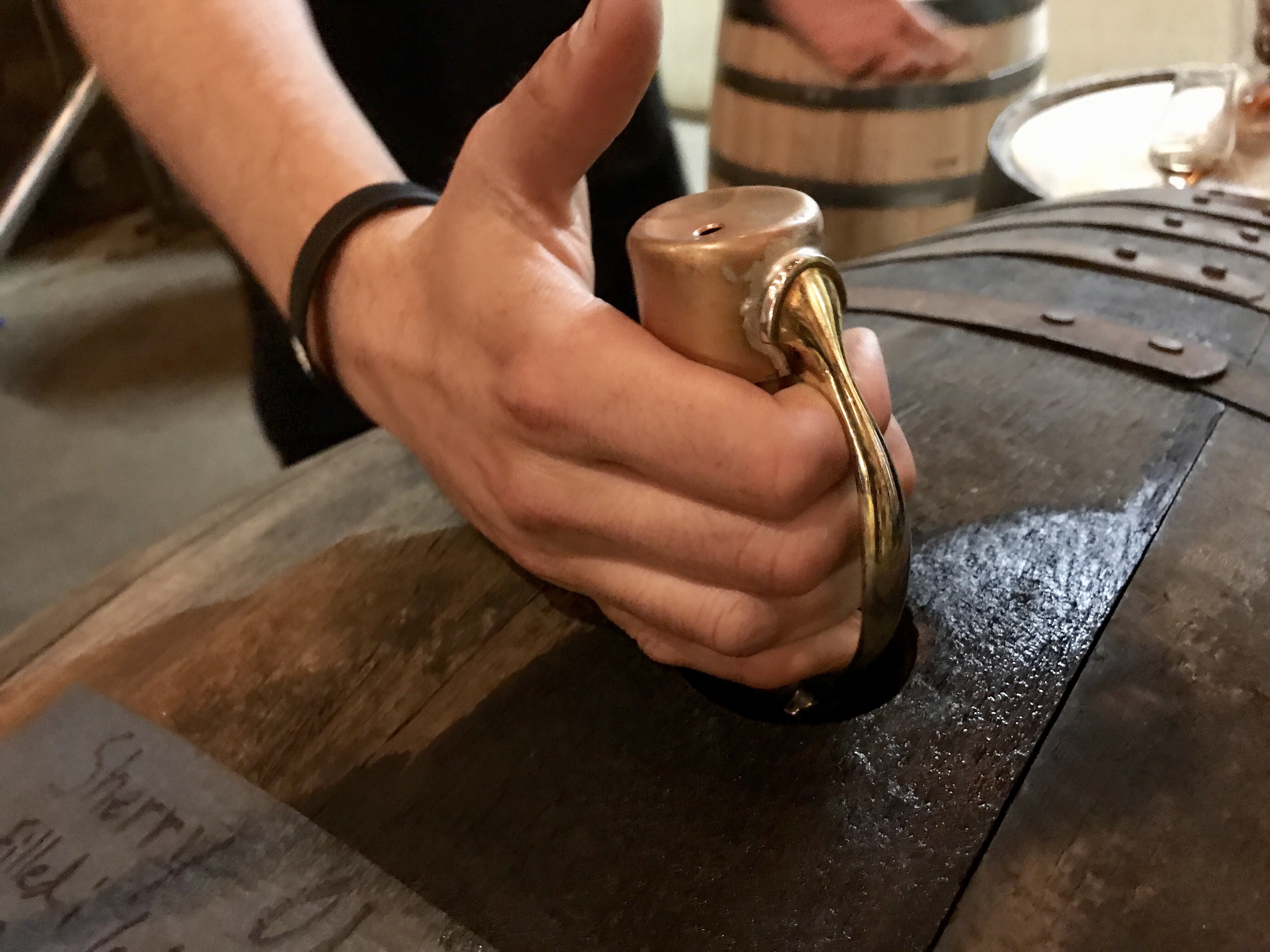
Cask thievery. All samples were taken straight from the barrels with a copper cask thief.
- CHERRY MARY – This expression was a 3-year-old Stranahan’s finished in a Montmorency cherry wine barrel for more than year. The wine is local to Denver, and aged in that cask for four years. Aromas of vanilla, caramel-dipped cherries, oatmeal and espresso leapt out of the glass. The entry featured hints of cherry cola, vanilla creme, cloves and some sweet malt. The long finish left behind sweet red fruit notes.
- SHERRY GARCIA – A 2.5-year-old Stranahan’s finished in an Oloroso Sherry cask. Sherry cask-finishing is nothing new in the whiskey world. The folks here at Stranahan’s showed restraint with this one. The secondary sherry cask maturation was evident, but not overdone. The nose featured hints of dried fruits, plums, banana and caramel, along with a light touch of sherry wine. Sherry Garcia was quite mild in terms of drinkability. Taste-wise, we’re talking about raisins, caramelized malts, and vanilla with some sherry and candied orange peel on the back-end. The finish was nice, with spiced honey, sweet malt and slightly astringent oak.
- 4.6 CARAT DIAMOND – Essentially this is a single barrel Diamond Peak. Hinted at in its name, this whiskey was matured in new American oak casks for 4.6 years. The nose here was on the yeasty side, suggesting cinnamon bread. Notes of sweet dark malt and caramel helped contribute to its rich aroma. The palate was quite delightful. Hints of grapefruit, brown sugar, figs and a sweet maltiness alongside a touch of oak gave this whiskey a nice balance of flavors. The finish was full of dark brown sugar, dark fruits and slightly drying oak.
- THE HEADSTAND – As Stranahan’s demand grows, the distillery is looking to maximize space to age its barrels. For this release, the bung was placed on the head instead of the side, meaning this barrel sat vertically instead of horizontally. This kind of storage means more barrels can fit in the same square footage than ones laying horizontally. Stranahan’s released this 3.5-year-old whisky aged in a “vertical” barrel to show there’s no change in the way the whiskey ages. The Headstand was a great example of the Stranahan’s house style. The nose was malty, with hints of honey, vanilla and candied fruit. Those notes carried over to the palate, where malt was mingled with orange marmalade, caramel, spice and vanilla. The finish was longer than the standard Stranahan’s whiskey, featuring honey and some spice.
- FRENCH-KISSED – A fantastically rich expression from Stranahan’s. This one saw Stranahan’s whiskey finished in a cognac cask for 24 months. The new French oak cask was seasoned for three years and filled with eau de vis for 15-20 years. On the nose, hints of caramel, vanilla and malt stood up against big fruity, floral notes from the cognac cask. This whiskey was oily on the palate. The French oak cognac cask influence showed, as vanilla and cloves seasoned big fruity notes like grapes, apricot, and figs. There was a bit of malt underneath, along with a bit of raisins, oak and a hint of leather. The finish featured caramel, grapes, and a touch of spice. A dessert whiskey if there ever was one.
- STRANA-SCOTCH – My favorite of the bunch! Strana-Scotch traded Stranahan’s traditional yeast with a Scotch yeast. The whiskey was matured for 3 years in a new American oak barrel with a #3 char. Black cherries, dried fruits (raisins especially), sweet malt and orange zest filled the nose. There were dried fruits and toffee on entry, followed by orange zest, white pepper, lemongrass and candied ginger. The finish was sweet and sour, with candied orange zest, toffee, and a sprinkling of cayenne pepper. While this expression held the Stranahan’s house style at its core, the use of another yeast gave this whiskey notes normally not found in Stranahan’s. I’d love to see this get a wide release, even if it’s only a one-off.

Stranahan’s Master Distiller Rob Dietrich discussing the distilling process during a private tour of the distillery.
Alongside some kick ass barbecue and fantastic music, Stranahan’s Cask Thief Festival gave attendees a sneak peak at some of the experimentation going on at the distillery. I’m a fan of experimentation in the whiskey world, and for the most part these expressions worked. The level of finesse and skill showcased here should be applauded. As the distillery grows, I do hope to see more of these releases reaching the hands of fans across the country.
Moreover, I completely back Stranahan’s and other American distilleries pushing for an official designation for an American Single Malt whiskey. Rumor has it the major pushback is coming from across the pond in Scotland. If that is the case, I would call it a petty move. Scotch whisky is still king of single malts, and the handful of American distilleries making single malt whisky are a drop in the bucket and pose no threat to sales. There are Scotch, Irish and Japanese single malt whiskies, so why don’t we have an American single malt?
A big thanks to Stranahan’s for my invitation to their Cask Thief Festival. The entire trip was paid for by Stranahan’s, but that did not influence the contents of this article. As always, all thoughts and opinions are my own.
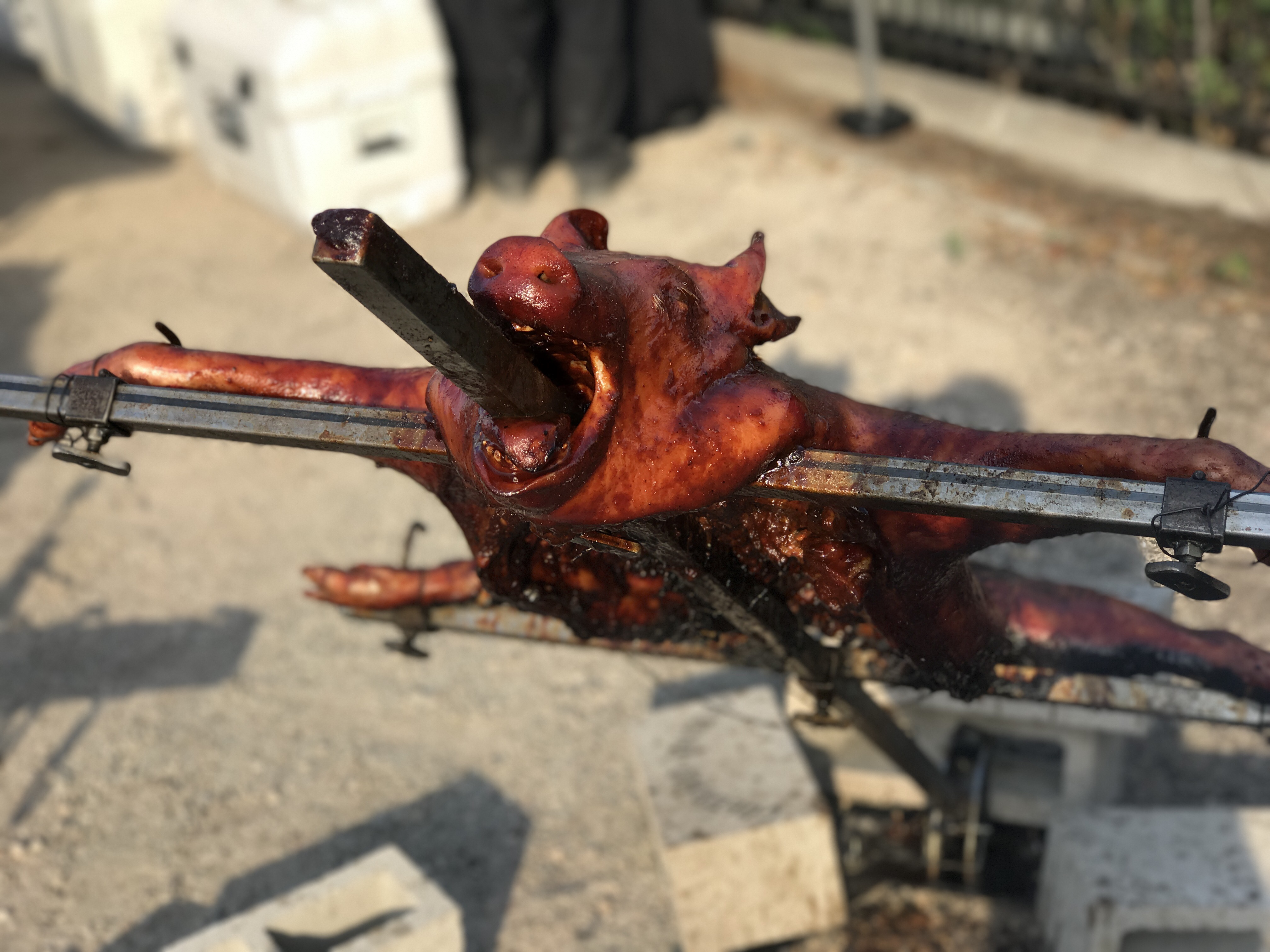
Several hogs were roasted using Stranahan’s barrel staves.

Some mood music.


 Adventures In Whiskey