Single Malt

Highland Park Magnus Whisky Review

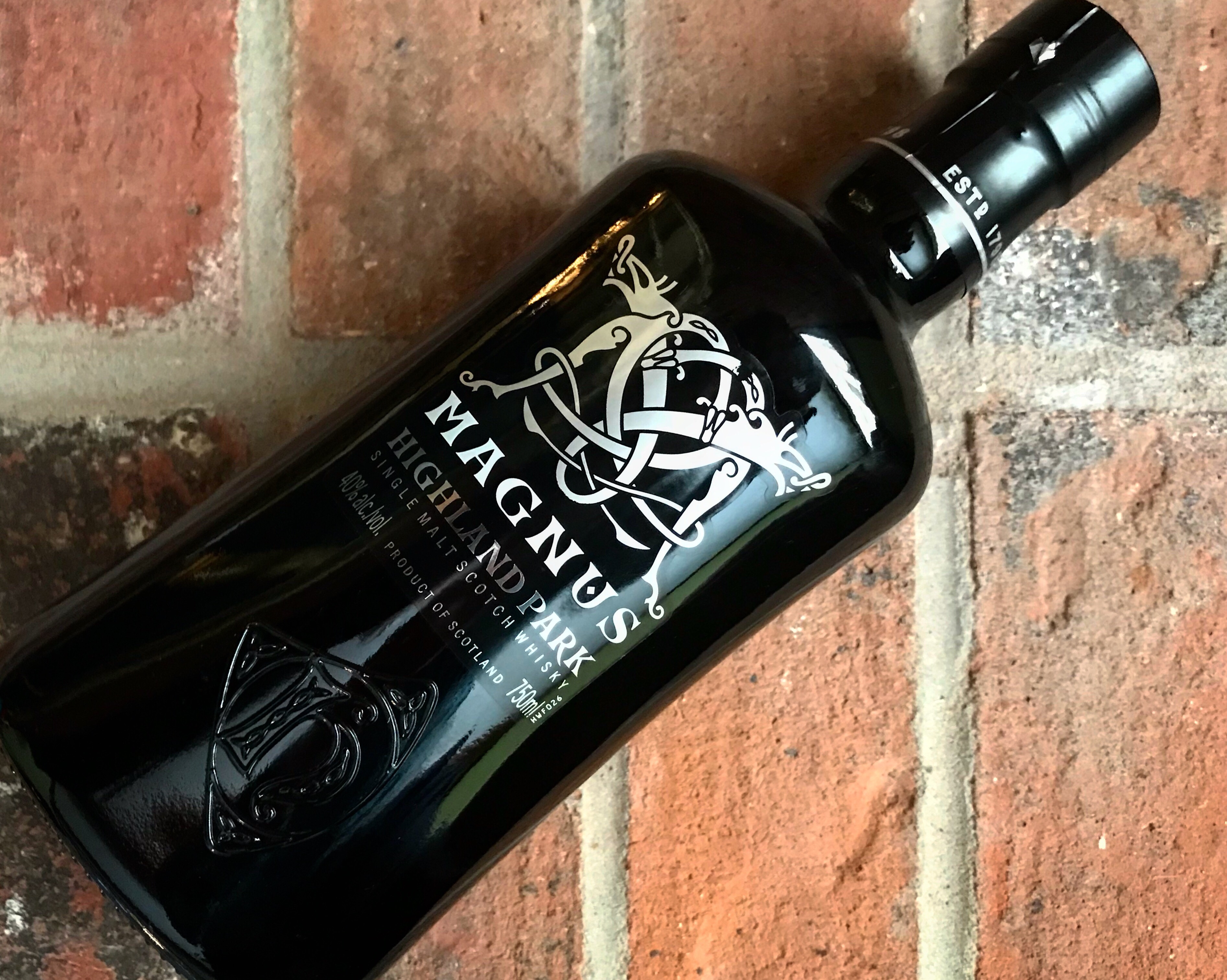
A new US and Canada exclusive from Highland Park, Magnus pays homage to the distillery’s founder, Magnus Eunson. According to Gordon Motion, the distillery’s Master Whisky Maker, Magnus uses a “high proportion of Sherry seasoned American oak casks along with refill casks.” It’s bottled at 40% and carries a $40 price tag.

As this sample was en route to me, I tried Magnus at one of my local spots. I thought the whisky was bland and lacked character. Of course, this taste came after trying some rum and cognac. In other words, my palate was off. The preceding spirits colored my tastebuds, thus altering my first impression of Magnus. A few days later, the sample arrived and I was excited to approach the whisky with a fresh palate.

I don’t comment on color a lot, but I have to happily note that Highland Park does not add caramel coloring to their whiskies. This whisky’s pale golden color is all natural. The nose is light and easy going with hints of lemon, grilled pineapple, light smoke, and heather. Taste-wise, Magnus features light toffee, vanilla cake, some spiced fruit and a touch of peat. Those notes carry onto the medium-length finish, along with the slightest hint of wood smoke.

I’m so glad my initial impressions were wrong. Magnus isn’t a nice whisky for the price – it’s just a nice whisky, period. Magnus plays to the lighter side of the Highland Park distillery character, probably because of the use of American casks instead of the spicier European casks. Press materials suggest Magnus could be used in an Old Fashioned. At its inexpensive price, I wouldn’t mind using Magnus in a cocktail. Whatever your preferred imbibing method, Magnus is a versatile addition to any bar. Recommended. 7.5/10

Thanks to Highland Park for the sample. As always, all thoughts and opinions are my own.

Laphroaig Cairdeas 2017

Photo courtesy of Beam Suntory

Mmm… Laphroaig.  It’s one of those whiskies that divides the masses.  One either loves or hates the whisky’s trademark heavily peated character.  There generally isn’t an in-between.  In fact, the brand has embraced the public’s honest assessment of their whisky with their hilarious #OpinionsWelcome campaign.  Here’s the latest spot, entitled “A First for Friends.”

Every year, Laphroaig releases a different expression under their Cairdeas (gaelic for friendship) umbrella.  The 2017 edition is a cask strength version of Laphroaig Quarter Cask.  The 57.2% abv whisky started with a 5-year plus maturation in first-fill bourbon barrels, followed by a six month secondary maturation in quarter casks.  The resulting whisky features no added color and is not chill filtered.

The nose is full of that signature Laphroaig funky Islay peat, as well as vanilla and tropical fruit.  It’s a touch more closed off at cask strength, but opens up with a splash of water, which brings about more of the fruity notes.  On the palate, it’s slighlty less sweet than the standard Quarter Cask, but packed with flavor.  Toffee, brine, and tropical fruits, especially mangos, define the whisky as much as the whallop of ashy smoke in the background.  Some young oak and herbal notes appear on the backend.  The finish is long and complex, featuring notes of vanilla cream, spice and smoke.

At a reasonable price increase compared to the standard Quarter Cask, Laphroaig Cairdeas 2017 ($80) is firing on all cylinders.  It’s younish for sure, but that allows for a larger peaty punch compared to older Laphroaig expressions.  Only 177 casks were emptied for this release, so those who want a bottle should act fast.  Recommended! 8.5/10

Laphroaig.com
Thanks to Beam Suntory for the sample.  As always, all thoughts and opinions are my own.
Stranahan’s Diamond Peak Single Malt Whiskey Review

Photo courtesy of Stranahan’s.


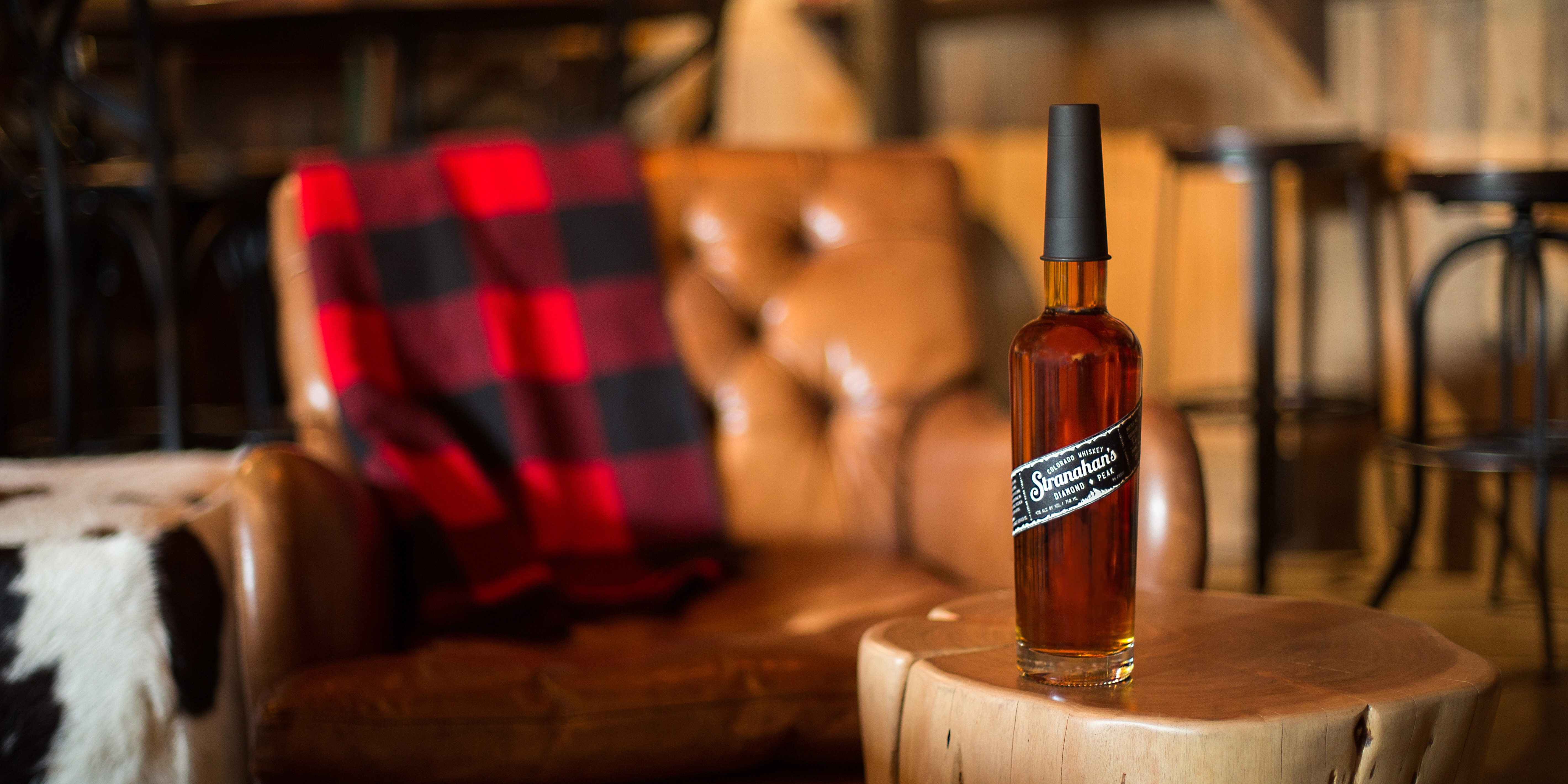
Although sales of Stranahan’s whiskey are growing, the Colorado distillery has played it smart by keeping their standard porfolio rather tight.  There’s the standard Stranahan’s whiskey, aged at least two years.  Then there’s Diamond Peak, a single malt with double the age of the standard.  The youngest whiskey in the bottle is four years old.  

Stranahan’s distillery uses only malted barley, yeast and water to make their whiskey.   Only new American white oak barrels with a #3 char are used to mature the whiskey.  What emerges with time is essentially an American single malt whiskey, though there is no official designation for that category in this country.  I lightly touch on that subject here.

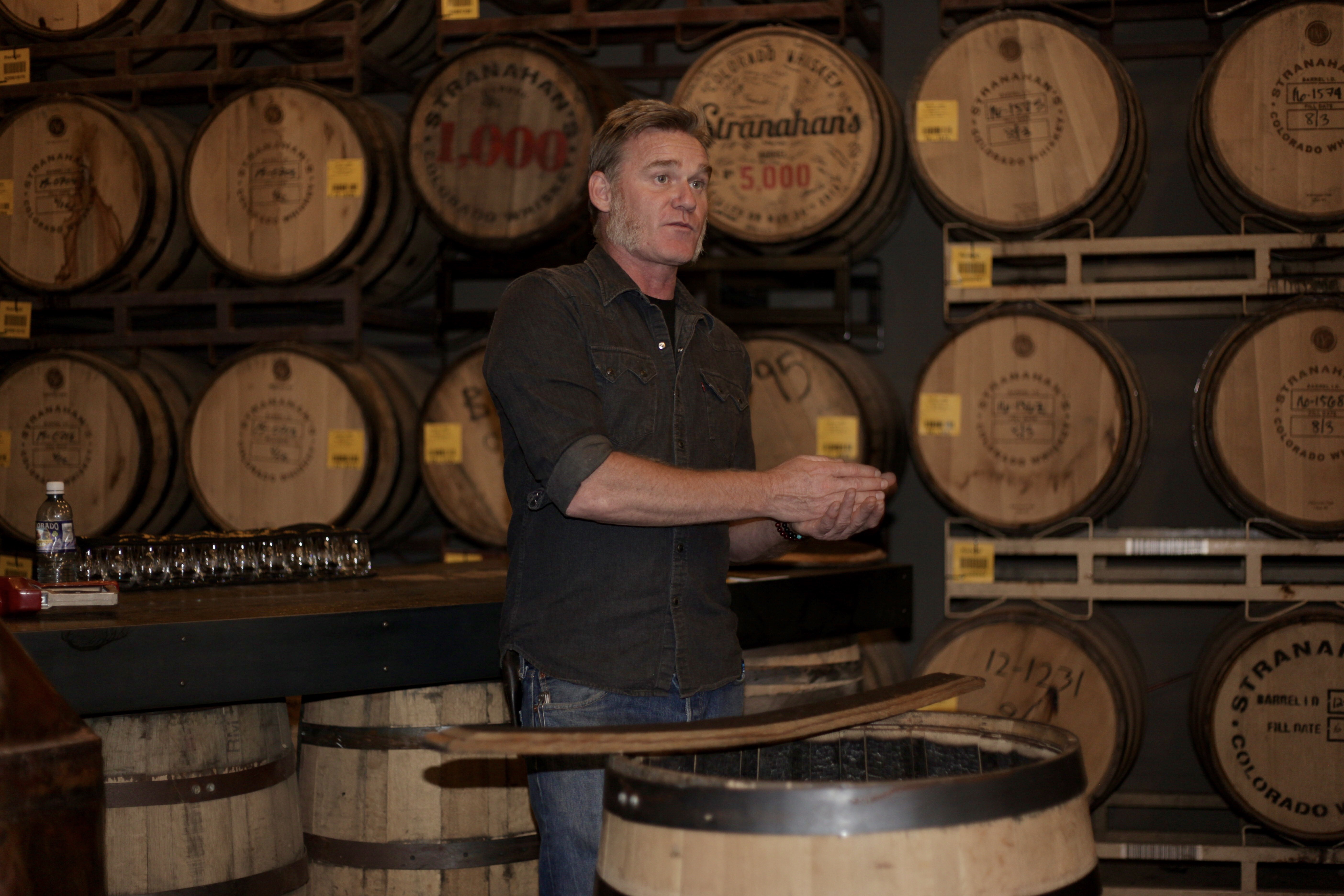
Stranahan’s Master Distiller Rob Dietrich explaining the whiskey aging process during a recent press trip.


Bottled at 47% abv, Diamond Peak’s extra age comes across in the nose.  Hints of sweet malt and caramel dominate, complemented by cinammon, orange zest, and medium roast coffee.  The palate is bolder and more complex than the standard Stranahan’s.  Wonderful notes of figs, brown sugar, honey, sweet malt and dark fruits shine, while hints of grapefruit and vanilla emerge in the mid-palate.  Dark chocolate and a slight touch of oak develop and help balance out the whiskey.  The finish is long and warming, with dark brown sugar, figs and oak notes.  

I like the standard Stranahan’s, and I think it does the job nicely.  But…  for sipping, I’d reach for Diamond Peak almost every time.  The nose and palate are richer, darker and feel like a more complete whiskey.  I really like what more age did to this whiskey, and can’t help but think what a six or eight year old Stranahan’s would taste like.  I can keep dreaming forever, but thankfully I can reach for this stuff in the meantime.  Nicely done!  8.5/10

Stranahans.com

Thanks to Stranahan’s for the sample.  As always, all thoughts and opinions are my own.