After ordering my first Jack & Coke many years ago, I set off on my whiskey journey that's led me to start this blog. Years in, I still get goosebumps at the thought of tasting a new whisk(e)y expression.
I remember receiving a sample of the first release of Maker’s Mark Cellar Aged last fall, and I absolutely loved it. It was the oldest expression released by the distillery. Fast forward to the beginning of September 2024. Maker’s agency on record reached out with an enticing offer – the chance to join a press trip to the distillery to celebrate the 2024 release of their premium Cellar Aged whisky. I was so pumped to go, going as far as tasting through all of the distillery’s releases I have at the house to refamiliarize myself with different takes on their flavor profile before I was to fly out.
Then Mother Nature decided to intervene. Hurricane Francine was set to strike the New Orleans metro area the day I was supposed to fly out to Kentucky. Hence, the trip didn’t happen. This isn’t a woe is me situation. After the storm, I was a part of our work’s Storm Response Team, providing fresh hot pizzas straight out of our pizza oven to first responders and those in need. As much fun as the Maker’s trip would have been, the couple of days of giving back to the community after a disaster proved to be much more fulfilling.
So, after a few days, the agency was gracious enough to send over a sample for my review. And with that, here we are, with my first full review in ten months.
Maker’s Mark Cellar Aged 2024 is a blend of 15% Maker’s Mark 12-year-old and 85% Maker’s Mark 13-year-old, at 59.7% ABV or 119.3 Proof. The standard Maker’s has no age statement, though it’s rumored to be between 6-8 years old.
“Delivering an elevated expression that’s distinctly Maker’s Mark, Cellar Aged finishes maturation in our LEED-certified cellar, built into the limestone shelf that surrounds us, creating a richer, deeper and more complex bourbon, free from the harsher tannic effects commonly found in older American whiskies,” said Dr. Blake Layfield, Head of Innovation and Blending, Maker’s Mark.
In other words, fully aged barrels of Maker’s are then brought into their cool cellar, which slows down the aging process. This allows the release of 12- and 13-year old bourbon without an overpowering oak profile or it being overly tannic.
Maker’s Mark Cellar Aged 2024 starts off with slightly burnt sugar, buttered pecans, and a touch of lemon zest on the nose. There’s feint oak there, but you really have to concentrate to find it. The palate is quintessential Maker’s DNA with added depth, featuring vanilla macaron, some dark fruits, and some baking spices. It doesn’t drink like its high proof. No water required. The finish is warm, with just the slightest hint of oak.
This is a polished, approachable, more complex version of Maker’s Mark. The baking spices and oak don’t feel added on like some of their Private Select picks, but instead come across as beautifully integrated. This is an easy recommendation for the suggested retail price of $174.99.
Thanks to Maker’s Mark for the sample. As always, all thoughts and opinions are my own.
If you’d told me ten years ago that I’d be standing in one of Wilderness Trail Distillery’s warehouses not only celebrating a milestone 10th anniversary, but also toasting with a 10-year-old wheated bourbon straight out of the second barrel they ever filled, I’d call you insane.
Anybody with any sense can see the this bourbon bubble is no where near popping. Back when I started this blog in 2014, just a mere four months after Wilderness Trail founders Shane Baker and Pat Heist filled their first barrel of wheated bourbon, I could walk into just about any liquor store and talk at length about any brand on the shelf. Nowadays, that’s a much different story. There are so many new brands from distilleries of all sizes. There’s no way in hell I can keep up. But that speaks to the popularity of the American whiskey industry.
I’ve got to be honest – I didn’t know much about Wilderness Trail going into this trip. The New Orleans Bourbon Festival (I’m on the board of their backing non-profit organization, Raising Spirits Society) did couple of barrel picks for the 2023 festival, but I wasn’t part of that and, thanks to COVID-19, couldn’t attend this year’s festival. So I was pleasantly surprised when I was invited to a tour of the distillery to celebrate its 10th anniversary. Of course, I jumped at the chance.
I’m glad I did.
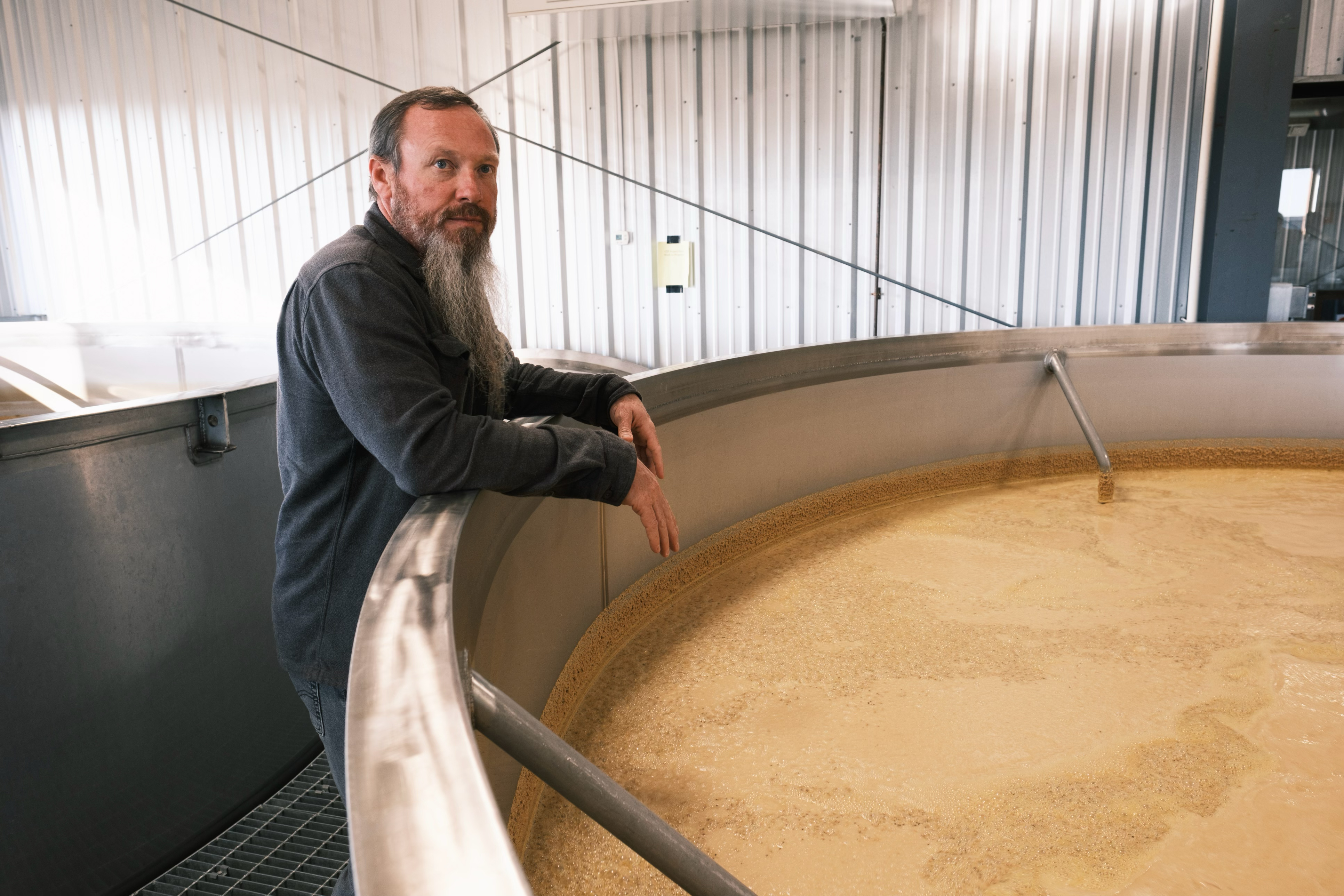
Their story is an interesting one. Where the big distilleries lean on a lot on their history, heritage, and “this is how we’ve always done it” mentality, Wilderness Trail goes the opposite direction. Shane Baker and Pat Heist, two scientists, were in the yeast business for years, supplying the stuff to lots of industries, including whiskey distilleries. Of course, they’d get calls at all hours of the night with questions and yeast-related problems. Turns out their yeast wasn’t the issue 99.9999% of the time. They could point to another part of the distillation process that was causing issues. After a few years of problem solving distillery problems, the two guys decided to start their own distillery.
With their scientific background (and a great palate), this made so much sense. First, they had to stand out from the pack, so they went with a sweet mash process. Most of the larger distilleries use sour mash, which uses some of the spent mash from a previous batch in a new fermentation. Wilderness Trail said nope. They maintained stringent cleanliness standards and constant testing to make sure wayward bacteria didn’t inject their mash with unwanted aromas or flavors. On top of that, they decreed that all of their whiskies would be Bottled-In-Bond. For the uninitiated, that means their whiskies had to be distilled in one distilling season at one distillery, aged in a bonded warehouse to at least 4 years, and bottled at 100 proof.
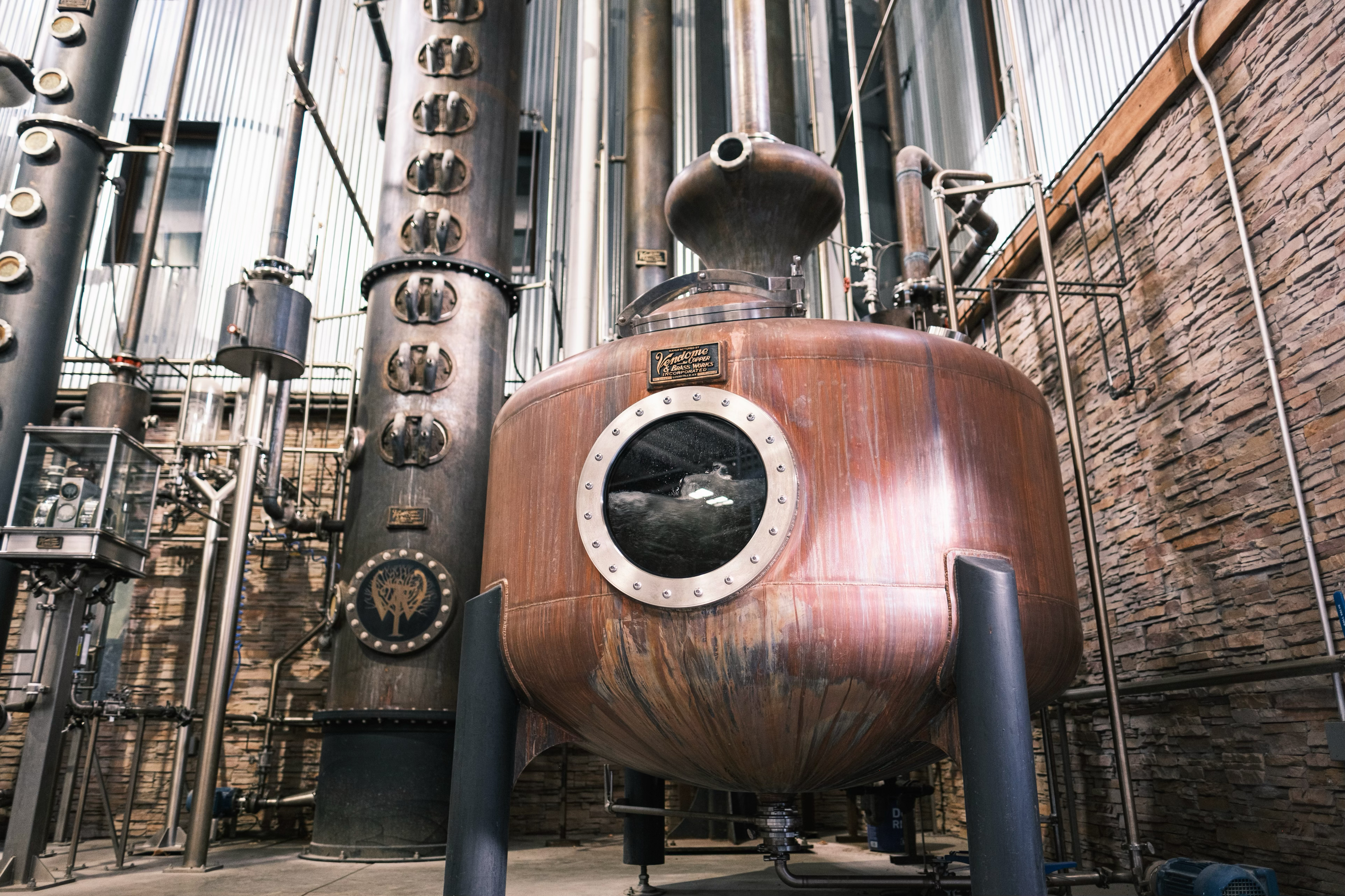
Wilderness Trail uses a combination of pot and column stills, which again helps them stand out from most others. They’re also able to reclaim most of the water from the spent mash before shipping that out to farmers for feed. That water goes back into warming the stills, which is great for energy savings. The tech’s been around since the 50’s. Why other distilleries aren’t utilizing this is beyond me.
One area they also keep tight reigns on is wood management. Their barrel staves season for 18-24 months, which is more than the average distillery. Their barrel entry proof is rather low compared to the rest of the industry, with their whiskey entering the barrel at 110 proof. New make can’t enter the barrel at more than 125 proof for it to be bourbon. As the majority of their standard releases leave the barrel at between 113 and 116 proof, they don’t have to proof down their whiskey as much. It also tends to make for a richer tasting experience at 5-6 years old.
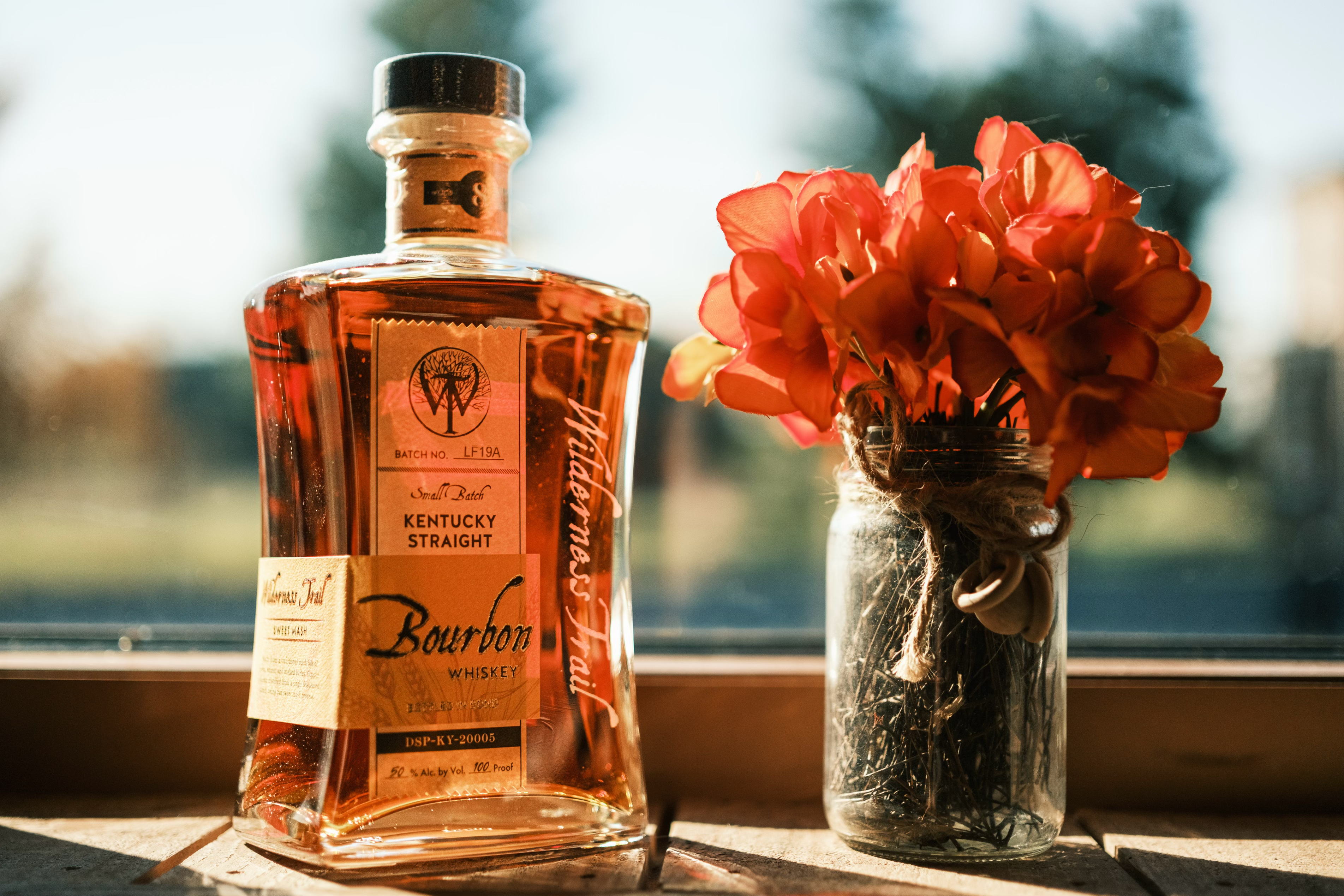
Their first bourbon is a wheated small batch. The mash bill they decided on is 64% corn, 24% wheat, and 12% malted barley. That’s a decent amount of barley, compared to most other distilleries. Small Batch isn’t an official term by any means, but for Wilderness Trail, it typically means between 20-25 barrels. What’s interesting here is they maintain a consistency between batches. Obviously, the more barrels in a batch, the more homogenous the flavor of the batch. In other words, individual barrel characteristics are essentially persona non grata in a very large batch. Part of their process includes using several yeast strains during different distilling seasons. One yeast for warmer months, and another yeast strain for colder ones, as fermentation times change in different temperatures. They actually have thousands of yeast strains in their possession, and found that about 40 work for brewing and distilling purposes.
Their other bourbon uses rye as the secondary flavoring grain. The mash bill percentages remain the same: 64% corn, 24% rye, 12% malted barley. This makes for a great compare-and-contrast between both of their bourbons. Lastly, their rye whiskey features a mash bill of 56% rye, 33% corn, and 11% malted barley. Look for tasting notes on all three expressions in the next post.
Dr. Pat Heist enjoying a pour of Wilderness Trail 10-year old bourbon from the second barrel they filled.
One of the highlights of the trip was tasting their upcoming 10-year-old bourbon. We got to taste it straight from the second barrel they ever filled. It came out of the barrel at about 119 proof. I didn’t jot down tasting notes, as I as caught up in the rare, reflective and celebratory moment. Dr. Heist tasted this for the first time along with the rest of the folks on the press trip. For a lack of a better phrase, it was a pretty special moment. The bourbon itself didn’t drink like 119 proof… it felt more like 100 – 105 proof. It was pretty dark in color. I do remember lots of dark sugars and some fruit and spice on the nose. The palate was robust, with hints of brown sugar, dried stone fruit, baking spice, and a touch of oak. The finish was rather long and warming, with bittersweet oak and vanilla. In other words, amazing. I compared it to other 10-year-old wheated bourbons I’ve tasted, and Wilderness Trail might have easily bested them. This release, by the way, will be KY-only. Expect only a few bottles to hit the market – remember, they are literally using a handful of barrels here.
Every time I visit a distillery, I expect to walk away with some knowledge about what makes them stand apart from others. In the case of Wilderness Trail, the differences happen in spades. I have a newfound respect for this distillery and its makers. This is one brand that has definitely earned a spot on my home shelves.
A big thank you to Campari and Wilderness Trail Distillery for the distillery trip. All travel and lodging expenses were paid for.
As the weather starts to cool, distilleries gear up for some of their most anticipated releases of the year. Four Roses has just put out their latest expression celebrating their 135th anniversary: 135th Anniversary Limited Edition Small Batch.
This year’s highly awaited release comes in at 112 proof, or 56% abv. Master Distiller Brent Elliott blended four of their 10 unique bourbon recipes to craft this expression:
12-year-old OESV
14-year-old OESK
16-year-old OESV
25-year-old OBSV
“In crafting this blend, I wanted to create an elegant bourbon worthy of the brand’s heritage. Each of the 12-, 14-, and 16-year-old batches possess individual characteristics that complement each other perfectly. Once the ideal balance of these three batches was achieved, I looked at several other batches of various ages and recipes to add an extra layer of nuance to the blend. Ultimately, I selected the 25-year-old OBSV, which melds perfectly with the other batches and adds additional complexity and depth.”
-Brent Elliott
So… how does it fare?
On the nose, fresh aromatic herbs mingle with slightly burnt caramel, vanilla, and oak spice. The palate offers an immediate blend of minerals, spice, and caramel sweetness, with the latter not overly saccharine. Hints of oak and stone fruit show up in the mid-palate, adding more spice and complexity. There’s slight astringency here, but again, Elliott’s skillful hand keeps things in balance. The finish…. wow. The sweet, oak, and spice continue but a slight earthiness is introduced. After it’s long gone, a touch of minty freshness is left.
I’ve had the pleasure of sampling some of these limited edition small batch releases through the years, and I can easily say this 135th Anniversary release is the best in a decade. It’s complex throughout, but the balance of flavors make this bourbon easily approachable.
Four Roses is only releasing just over 15,000 bottles priced at $199. If you’re one of the lucky 15,000 people to score a bottle (especially at retail pricing), treasure this release. Highly recommended.
Thanks to Four Roses for the review sample. All thoughts and opinions are my own.




 Adventures In Whiskey